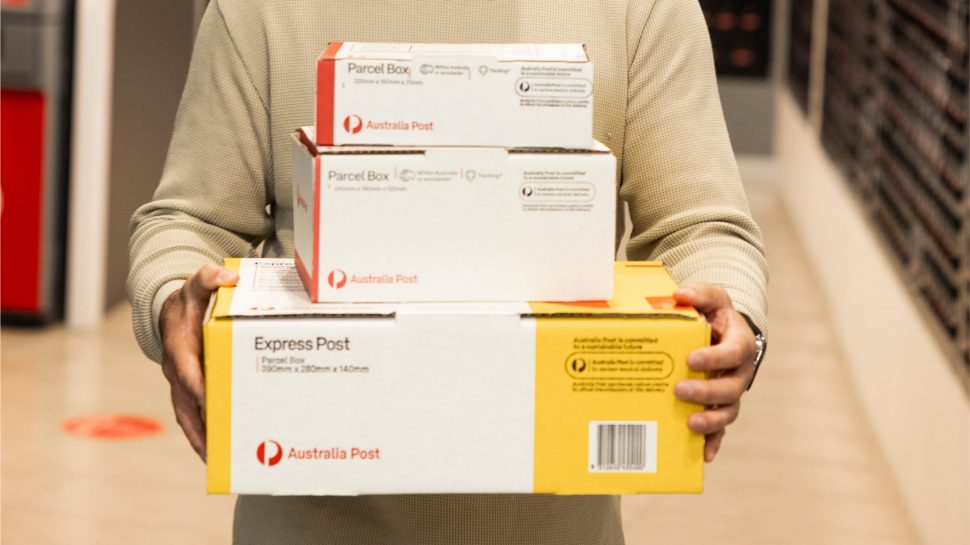
Before you rush to hire a local courier company in Australia, pause for a second. The cheapest option is rarely the one with the loudest ads or the flashiest vans. Real savings come from knowing what to look for before you sign up, especially when reward points and loyalty perks enter the picture. This guide breaks down the overlooked details that quietly drain your wallet—and the clever moves that keep your delivery costs lean without sacrificing reliability.
Start by Auditing Your Shipping Habits (Not the Price List)
Most people obsess over numbers first. That’s backwards. Begin by dissecting your own sending behaviour. Are you dispatching small parcels daily, or bulky items once a week? Do deliveries hug metro areas, or snake through regional routes? Courier companies price their services around patterns, not individual packages. To get the best parcel postage rates in Australia go here.
When you understand your rhythm, you gain leverage. Suddenly, confusing rate tables become negotiable frameworks rather than rigid rules carved in stone.
Reward Points: The Silent Discount Engine
Many Australian courier services now dangle reward programs that quietly shave dollars off long-term costs. These schemes often fly under the radar because they don’t scream “discount” upfront. Instead, they drip-feed value through points, credits, or account bonuses.
Here’s how to squeeze them properly:
- Check redemption flexibility: Points that expire fast are decorative, not useful.
- Ask how rewards stack: Some programs allow points to combine with promotional offers.
- Track thresholds: Certain perks only unlock after consistent usage—sporadic sending won’t trigger them.
Used wisely, loyalty systems can undercut standard parcel postage rates without ever renegotiating a base fee.
Transparency Beats Cheap Promises Every Time
A suspiciously low quote often hides sharp edges. Fuel surcharges, regional load fees, residential delivery add-ons—these extras creep in later and bloat invoices.
Before committing, interrogate the fine print with precision:
- How often are surcharges updated?
- Are failed delivery attempts billed separately?
- What happens when parcel dimensions slightly exceed estimates?
A courier that answers clearly is worth more than one that dodges specifics with glossy brochures.
Local Knowledge Is an Underrated Advantage
National brands have reach. Local couriers have street smarts. Australian-based operators often know traffic choke points, regional delivery quirks, and seasonal delays better than any algorithm.
That insight translates into:
- Faster turnaround times
- Fewer “attempted delivery” excuses
- Reduced damage from unnecessary handling
Efficiency lowers operational strain, and lower strain quietly trims costs—especially when paired with a reward-driven pricing model.
Technology Should Simplify, Not Complicate
A modern courier should offer tracking tools that feel intuitive, not bureaucratic. If booking a pickup feels like filing tax paperwork, walk away.
Look for platforms that:
- Auto-save delivery details
- Provide real-time parcel movement updates
- Generate clean, exportable invoices
Smooth systems reduce admin time, which is a hidden expense most businesses forget to calculate.
Contract Flexibility Can Save You Later
Long-term agreements sometimes reward loyalty, but they can also trap you when volumes change. Ask whether rates adjust if your shipping spikes—or dips.
Smart questions include:
- Are minimum monthly volumes enforced?
- Can reward tiers shift without penalties?
- Is there an exit clause if service quality slips?
Freedom to adapt keeps your logistics aligned with reality, not optimistic forecasts.
Reputation Matters More Than Reviews
Star ratings can be gamed. Consistency cannot. Seek couriers with steady, long-standing relationships in your area. Talk to local retailers, warehouse managers, or e-commerce operators who ship regularly.
A courier trusted by people who rely on punctual deliveries isn’t guessing—they’re executing.
Final Thought: Cheap Is a Strategy, Not a Number
The real win isn’t finding the lowest advertised rate. It’s building a delivery setup that rewards consistency, adapts to your needs, and quietly returns value through points, clarity, and competence.
Choose with intent, question everything, and let your courier work for you—not the other way around.