Parking should never be the hurdle that drains your energy before the day even begins. Yet for many Indiana residents with mobility challenges, unclear steps and half-explained rules make accessible parking feel harder to obtain than it should be. The good news? Once you understand the flow, the entire process becomes far less intimidating.
This guide delivers practical, experience-based tips to help you secure a handicap placard in Indiana without delays, confusion, or unnecessary stress.
Why a Handicap Placard Matters More Than You Expect
Accessible parking isn’t just about proximity. It reduces physical strain, lowers fall risk, and allows safer entry and exit from vehicles. Over time, those small advantages compound into better daily function and less fatigue.
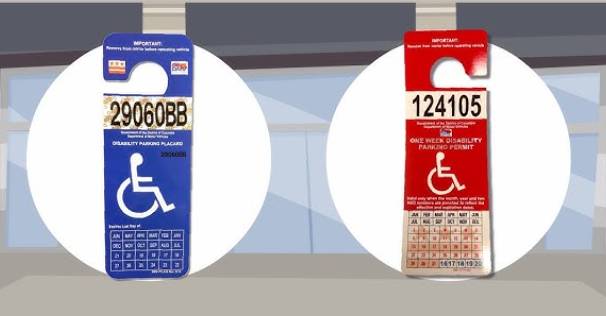
Indiana issues both temporary and permanent placards, depending on how long your mobility limitation is expected to last. Knowing which one fits your situation can save weeks of back-and-forth.
Understanding Eligibility Without the Legal Fog
Indiana bases eligibility on mobility impact, not just medical labels. You may qualify if walking causes significant pain, instability, shortness of breath, or requires assistance from devices like walkers or wheelchairs. Certain vision, cardiac, pulmonary, and neurological conditions are also considered.
A licensed healthcare provider must confirm that your condition meaningfully restricts movement. Assumptions don’t count—documentation does.
Preparing Before You Apply (This Step Is Everything)
Before heading to the Bureau of Motor Vehicles, gather what you need:
- State Form 42070, fully completed
- Valid Indiana identification
- Medical certification with all required signatures
Incomplete forms are the most common reason applications stall. Slow down here to speed everything else up.
Submitting Without Creating Delays
Once your paperwork is ready, you can submit it by mail or in person at a BMV branch. Permanent placards are issued at no cost, while temporary placards require a small fee based on duration.
Here’s a detail many people miss: the placard belongs to the individual, not the car. You can use it in any vehicle you’re riding in, as long as you’re present.
Smart Habits That Protect Your Approval
- Mark expiration dates so renewals don’t sneak up on you
- Display the placard clearly when parked
- Remove it while driving to maintain visibility
- Never let others use it without you present
Misuse can lead to fines or revocation, even when eligibility is valid.
One Crucial Insight That Simplifies Everything
The Indiana handicap placard application works best when approached like a checklist, not a race. When the form is clean, the certification complete, and the timing right, approval tends to arrive without drama.
Final Takeaway
Mobility limitations already demand careful energy management. Parking convenience shouldn’t steal what little you’re conserving. With preparation, attention to detail, and a clear understanding of Indiana’s process, obtaining a handicap placard becomes a practical solution rather than a bureaucratic burden—letting you focus on living instead of navigating red tape.