Search engine optimization doesn’t reward noise—it rewards patterns that look real. While flashy tactics burn out fast, some methods keep working because they evolve just enough to stay relevant. This is one of them.
Many marketers dismiss it as outdated. Others abuse it until it stops working. A small group, however, continues to extract value by applying it with precision and patience.
What Makes Web 2.0 Platforms So Useful?
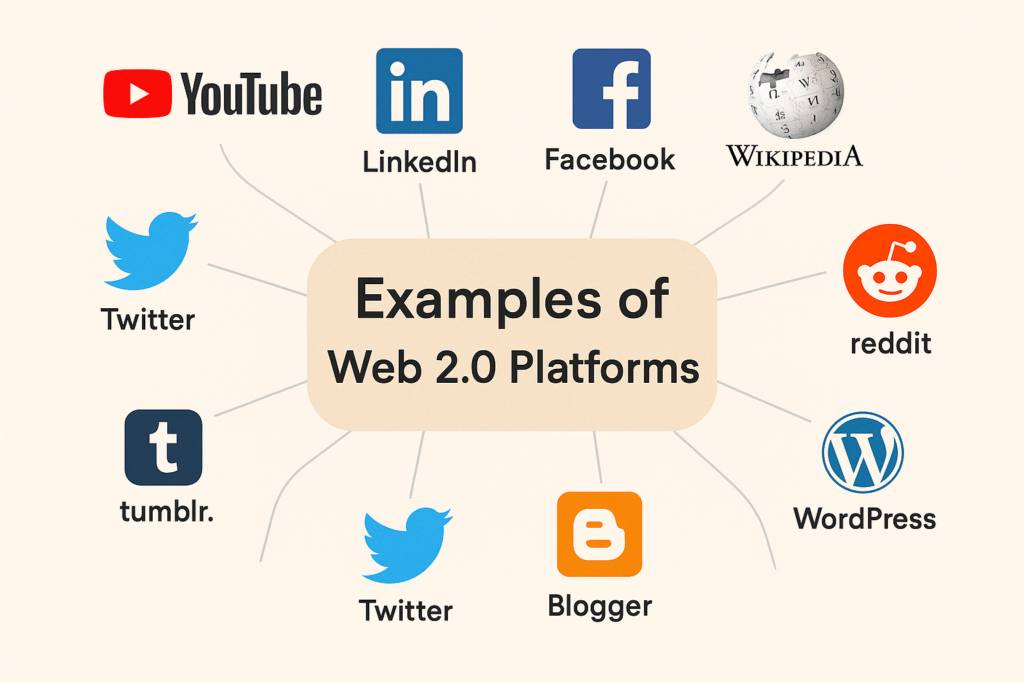
Web 2.0 platforms are content-hosting sites that let you create your own pages on domains that already carry authority. Instead of building trust from nothing, you’re stepping into an ecosystem that search engines already recognize.
These platforms allow you to:
- Publish niche-focused articles
- Control how and where links appear
- Build supporting content around your main site
- Expand your presence across trusted domains
Think of them as small satellites that orbit your primary website, reinforcing its credibility.
Why This Strategy Still Works in 2026
Search engines have become sharper. They now evaluate context, intent, and quality rather than just counting links.
That’s where web 2.0 backlinks still provide leverage—when they sit inside content that actually makes sense and helps the reader.
Here’s why they still move the needle:
- High-authority domains pass stronger signals
- Frequent crawling speeds up indexing
- Contextual placement strengthens relevance
- Diverse link sources look more natural
The effectiveness comes from subtlety, not scale.
How to Build Them the Safe Way
Build Each Property Like a Real Project
Avoid creating empty shells. Instead, shape each page with purpose.
- Choose a unique brand name
- Add images and a logo
- Write a convincing profile
- Use a clean, readable layout
A well-built page feels legitimate, which reduces risk.
Publish Valuable Content First
Jumping straight into linking weakens trust.
Start by writing content that:
- Answers real questions
- Offers clear, useful advice
- Feels natural to read
This creates a foundation where links can exist without looking forced.
Add Links Naturally
Links should blend into the content rather than interrupt it.
- Place them within relevant sentences
- Use varied anchor text
- Link to helpful internal pages
A single, well-placed link often delivers more value than several poorly positioned ones.
Use Different Content Styles
Flat content gets ignored.
Bring variation by including:
- Images that support the topic
- Lists for clarity
- Structured sections for easy reading
This improves engagement and strengthens overall quality signals.
Keep the Properties Active
Abandoned pages lose impact over time.
Maintain them by:
- Updating older content
- Adding new posts occasionally
- Refreshing outdated information
Consistency builds long-term strength.
High Authority Platforms to Focus On
Not all platforms are equal. Some carry more weight due to their authority and trust.
Strong Options Include:
- .com – Flexible and widely trusted
- Medium.com – Fast indexing with built-in visibility
- Blogger.com – Stable and backed by a major ecosystem
- Tumblr.com – Social-driven with solid authority
- Weebly.com – Simple to use with reliable performance
Focusing on a few high-quality platforms produces better results than spreading effort too thin.
Example of a Natural Backlink
Let’s say you publish an article about improving website speed on a hosted blog.
Inside the article, you include a sentence like:
“Improving load time often requires deeper technical adjustments that many site owners overlook.”
That sentence links to a detailed guide on your main site. It feels helpful, fits the context, and enhances the reader’s experience.
That’s what a proper backlink looks like—subtle, relevant, and useful.
Are They Still Worth It Today?
Yes—but only when handled correctly.
They Work When:
- Content is original and helpful
- Pages look authentic
- Links are placed naturally
- Updates happen over time
They Don’t Work When:
- Content is duplicated or spun
- Pages exist only for linking
- Publishing appears automated
- Design and usability are ignored
Search engines reward effort and filter out shortcuts.
Common Mistakes to Avoid
Even experienced marketers sometimes weaken their results by:
- Overloading pages with links
- Using identical structures across multiple properties
- Ignoring branding
- Publishing once and abandoning the page
Each of these signals low effort and reduces effectiveness.
Final Thoughts
This strategy hasn’t disappeared—it has matured. The difference now lies in execution. Careful, deliberate actions outperform rushed tactics every time.
Treat each property like it matters. Create content that serves a purpose. Place links where they belong. Maintain what you build.
When done right, this approach doesn’t just support your SEO—it quietly strengthens it over time while others chase trends that fade just as quickly.