Search visibility has become a game of controlled momentum, where authority is shaped not only by content but also by how other sites reference you across the web. Some marketers grow patiently through organic outreach, while others explore faster acquisition methods that must be handled with precision or avoided entirely.
The difference between scaling success and triggering instability often comes down to where links are sourced, how they are evaluated, and whether they blend naturally into the broader ecosystem of the internet.
Why Link Signals Still Dominate Search Performance
Search engines continue to rely on backlinks as indicators of trust, relevance, and topical authority. However, modern algorithms no longer treat all links equally. Instead, they analyze context, domain history, and linking behavior patterns. It’s important to remember this when you buy backlinks in 2026.
Strong link profiles tend to include:
- Editorial placement inside meaningful articles
- Domains with consistent organic traffic patterns
- Topical alignment between source and target content
- Natural variation in anchor text usage
When these elements align, authority compounds over time in a stable way.
The Safe Framework for Acquiring Links
A cautious approach to external link acquisition focuses on verification rather than volume. Professionals typically evaluate potential sources through layered checks instead of relying on surface-level metrics.
Key practices include:
- Reviewing real traffic trends instead of inflated authority scores
- Ensuring editorial relevance between websites
- Avoiding repetitive link footprints across multiple domains
- Spacing placements over time to mimic organic growth behavior
This approach reduces the risk of triggering algorithmic distrust signals.
Platforms and Services Commonly Used in the Industry
The link acquisition ecosystem includes several distinct categories of providers:
- Managed outreach agencies that negotiate placements directly with publishers
- Marketplace platforms offering searchable inventories of niche websites
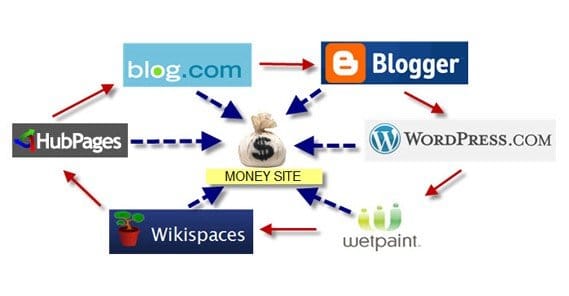
- Controlled private blog networks with varying levels of quality oversight
- Direct collaborations with independent bloggers and niche publishers
Among structured providers, Rankers Paradise is often discussed by marketers as a more curated option compared to open marketplaces, largely because of its emphasis on vetting placements and maintaining consistency across listed sites.
The Hidden Fragility of Cheap Link Offers
Low-cost backlink packages often look efficient on the surface, but their underlying structure is usually fragile. Many rely on recycled domains, thin content, or artificially constructed authority signals.
Typical issues include:
- Reused website templates with minimal differentiation
- Overloaded outbound linking that dilutes credibility
- Lack of genuine readership or engagement
- Networks that collapse after algorithm updates
These weaknesses can turn what seems like a shortcut into a long-term liability.
The Reality Behind Private Blog Networks
Private blog networks sit in a gray zone of SEO strategy. Some are carefully engineered with aged domains, diversified hosting, and real editorial content. Others are built rapidly using expired domains and automated publishing systems.
The main risk lies in detectability. Once patterns become predictable—such as repeated linking structures or shared hosting footprints—entire networks can lose effectiveness simultaneously.
Experienced practitioners evaluate:
- Domain acquisition history and ownership traces
- Content originality across multiple sites
- Outbound link behavior diversity
- Index stability over time
A Natural Placement Within Broader Strategy
At certain stages of a campaign, a marketer might cautiously experiment with external authority building. In one such scenario, the decision to buy backlinks may appear as a tactical layer rather than a foundational strategy, especially when paired with strong content production and diversified traffic channels.
The effectiveness of this approach depends entirely on execution quality and long-term intent rather than short-term gains.
Should You Take the Risk?
The decision is not binary when you buy backlinks. It depends on how well the strategy is structured and whether it complements genuine authority-building efforts.
When used responsibly, external link acquisition can accelerate visibility. When used recklessly, it can destabilize rankings and erode trust signals that take months or years to rebuild.
The real question is not whether it works, but whether the system supporting it is strong enough to absorb potential volatility.
Final Perspective
Modern search optimization rewards ecosystems, not shortcuts. Every external signal must fit naturally into a broader pattern of credibility, relevance, and consistency.
The most resilient strategies are those that prioritize long-term trust over short-term spikes, ensuring that growth remains stable even as algorithms continue to evolve.