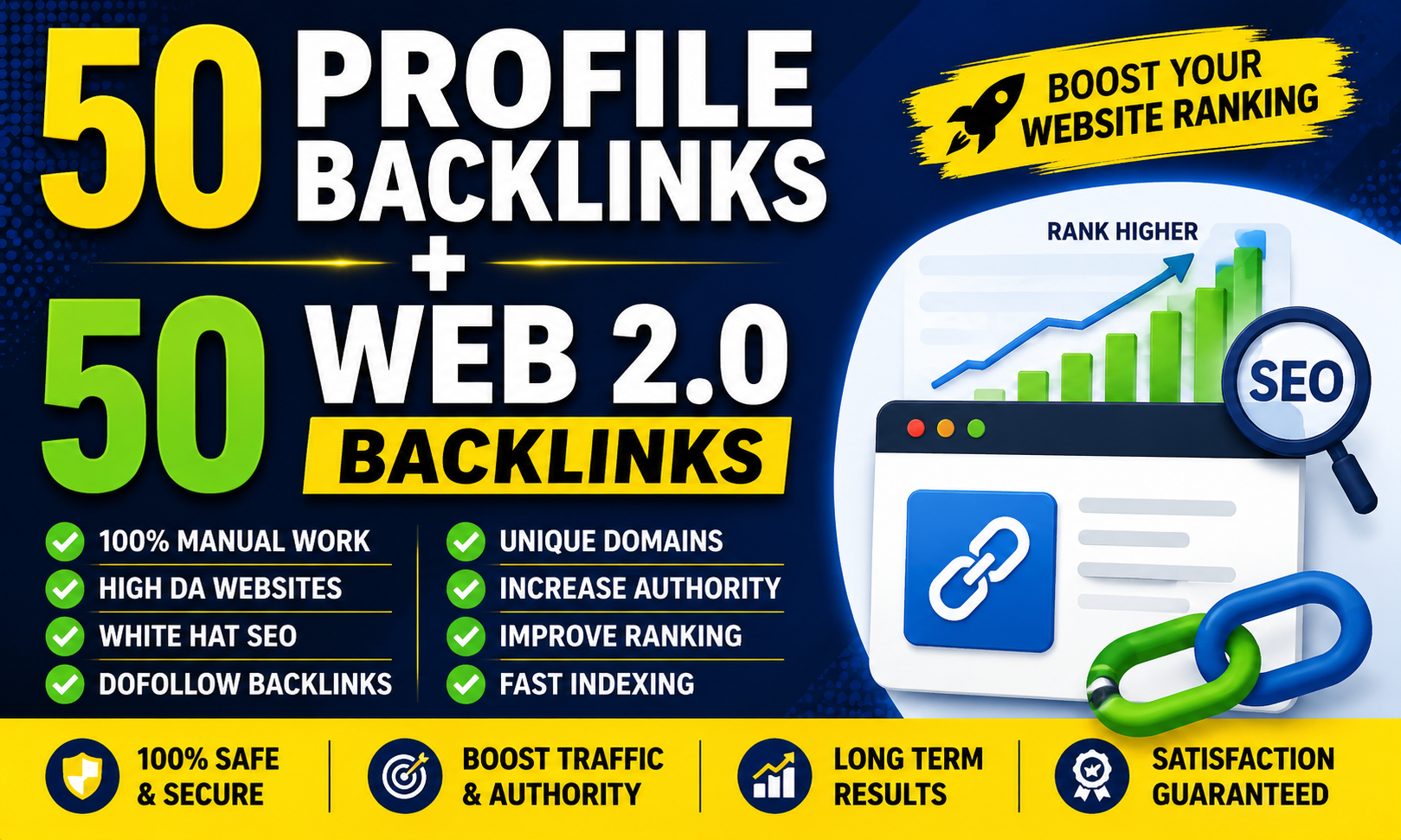
There’s a persistent debate in SEO circles about whether old-school link tactics still hold any real weight. One of the most discussed methods is web 2.0 backlinks, a technique built around publishing content on high-authority platforms and embedding links back to your main site.
When executed with restraint and editorial intent, this approach can still influence discovery speed and thematic relevance—but only when it avoids obvious manipulation patterns. To view a case study that shows that web 2.0 backlinks work in 2026 go here.
The Safe Way to Build Them Without Leaving a Footprint
The safest execution begins with pretending you’re not building links at all. Instead, you’re publishing genuine micro-content that could exist independently.
Think in terms of usefulness rather than promotion. Short explainers, reflective commentary, or niche insights tend to blend naturally into publishing ecosystems. Once the content feels complete on its own, a contextual link can be inserted where it genuinely supports the reader’s understanding.
Avoid predictable structures like “SEO article → exact match anchor → homepage.” That pattern is one of the fastest ways to get ignored or discounted.
Variation is also critical. Change sentence rhythm, content angle, and even emotional tone across different posts so everything doesn’t feel cloned or templated.
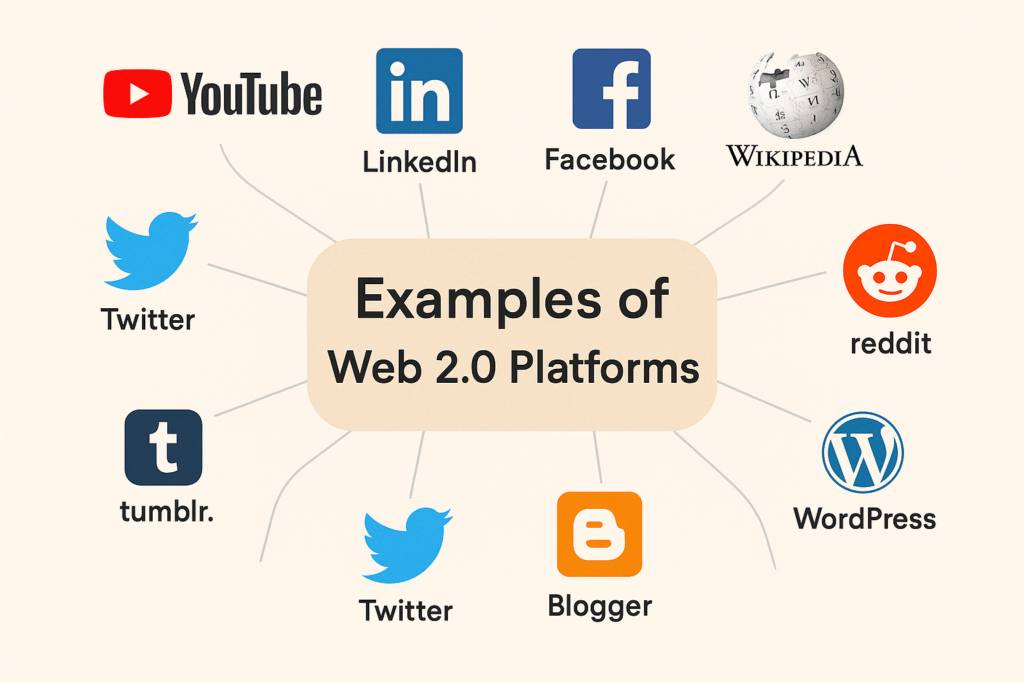
Platforms That Still Carry Authority Weight
These publishing systems remain popular because of their indexing speed, trust signals, and domain strength:
- .com — https://wordpress.com — Highly flexible with strong SEO customization and full blog control
- Blogger — https://www.blogger.com — Fast indexing thanks to integration with Google’s ecosystem
- Medium — https://medium.com — Strong distribution potential through internal recommendation algorithms
- Tumblr — https://www.tumblr.com — Useful for short-form storytelling and multimedia posts
- Substack — https://substack.com — Ideal for serialized writing and audience retention via email
- Wix — https://www.wix.com — Allows full site creation with blog integration
- Weebly — https://www.weebly.com — Simple drag-and-drop setup for lightweight publishing pages
- Ghost — https://ghost.org — Clean architecture designed for performance-focused blogging
These platforms are not shortcuts in themselves; they are distribution surfaces. Their value comes from how naturally your content fits within them.
Example of a Natural Implementation
A clean example would look like this:
You publish a reflective article on Medium about content ecosystems. Within a paragraph discussing distribution channels, you naturally reference your main site:
“For a deeper breakdown of how structured content clusters work, readers can explore the full framework on yourdomain.com.”
No forced anchors. No keyword stuffing. Just contextual relevance.
Are These Links Still Worth It?
The effectiveness of this strategy has shifted significantly over time. Years ago, it could directly influence rankings. Today, its role is more subtle.
Where it still provides value:
- Helping new pages get discovered faster
- Reinforcing topical association between related content
- Creating early-stage visibility signals for new domains
However, its limitations are equally important. It rarely produces sustained ranking power on its own anymore. Modern search systems prioritize authority earned through real editorial mentions, user engagement, and naturally accumulated citations.
Final Take
Used carefully, this approach can act like a small ignition spark in a larger SEO system. Used aggressively, it becomes noise that algorithms quickly learn to ignore.
The difference between success and failure is no longer volume—it’s restraint, context, and how convincingly the content behaves like it belongs where it’s published.