Search engine optimization has a habit of circling back on itself. Tactics once dismissed often return with a smarter, safer twist—and that’s exactly what’s happening with web 2.0 backlinks. Used recklessly, they can torch a site. Built with care, they can still nudge rankings, strengthen topical authority, and diversify your link profile without setting off alarms.
This guide cuts through the noise and explains how to build them the right way in today’s algorithm-heavy landscape, which platforms are still worth your time, and whether this strategy deserves a place in modern SEO at all.
What Web 2.0 Links Really Are (And What They Are Not)
At their core, these links come from user-generated publishing platforms that allow anyone to create content. Think blogging sites, hosted pages, or content hubs where you control the narrative. The power doesn’t come from volume—it comes from context, relevance, and restraint.
They are not magic bullets. They are not spam buffers. And they absolutely shouldn’t look automated, thin, or disposable. The very best guide on web 2.0 backlinks can be found at the Rankers Paradise website. The guide reveals a real case study with real keyword ranking results that you can check for yourself, there’s also a bug list of web 2.0 platforms you can use for backlinks.
How to Build Them Safely Without Inviting a Penalty
The safest approach feels boring—and that’s a good thing.
1. Create Real Content That Could Stand Alone
Each page should read like something written for humans, not crawlers. Use complete thoughts, natural transitions, and a clear topic. If it wouldn’t survive as a normal blog post, it doesn’t deserve to link anywhere.
2. Use Branded or Naked URLs
Over-optimized anchors are the fastest way to sabotage yourself. Stick to brand names, plain URLs, or generic phrases. Let the surrounding text do the heavy lifting.
3. One Link Is Usually Enough
Cramming multiple outbound links into a single article smells manufactured. A single, well-placed reference looks organic and passes trust more cleanly.
4. Space Out Publishing
Dropping ten pages in one afternoon leaves a footprint you can see from orbit. Slow publishing mimics natural behavior and keeps patterns invisible.
5. Mix Topics, But Keep Relevance
Every page doesn’t need to target the same theme, but it should make sense for your site to be mentioned within that context.
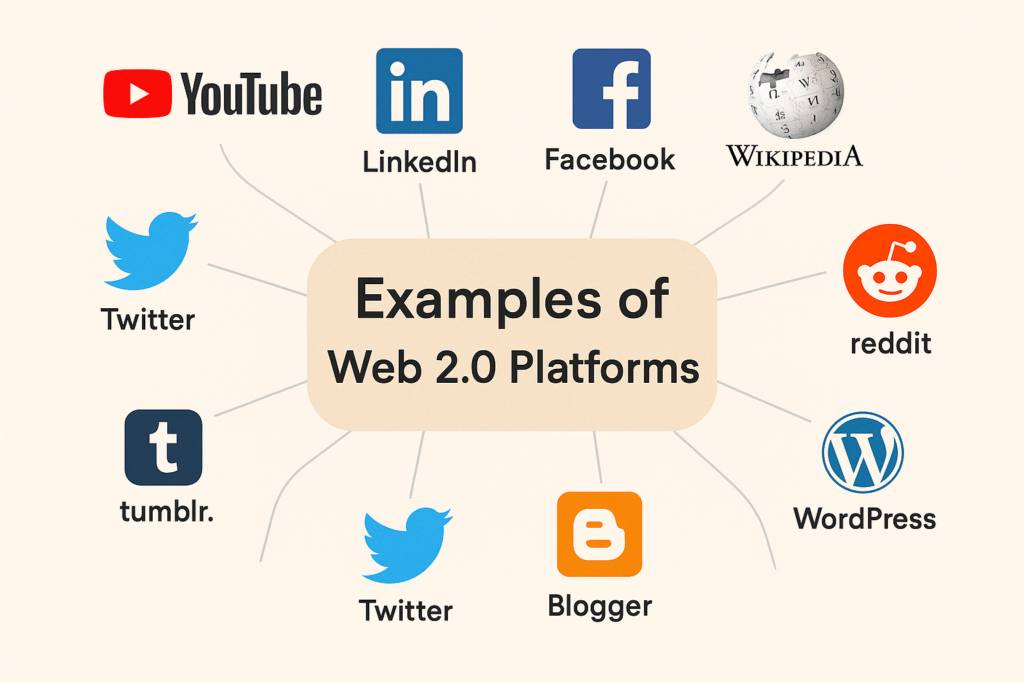
High-Authority Web 2.0 Platforms Still Worth Using
Not all platforms are created equal. Focus on sites with strong domain authority, real traffic, and editorial flexibility.
- .com – Excellent trust signals and flexible formatting
- Blogger.com – Owned by Google, simple, and stable
- Medium.com – High authority with built-in readership
- Tumblr.com – Great for niche storytelling and multimedia
- Weebly.com – Clean layouts and easy publishing
- Wix.com – Allows contextual links within longer content
- LiveJournal.com – Older platform, but still indexed and trusted
Quality matters more than quantity. Two strong properties outperform twenty throwaway pages every time.
A Simple Example of a Properly Built Link
Imagine a long-form article on Medium discussing trends in digital marketing. Within a paragraph about traffic acquisition, a branded mention naturally references a resource on your site. No hype. No forced anchor. Just a logical citation that enhances the reader’s understanding.
That’s what a clean web 2.0 link looks like in the wild.
Are They Still Worth It Today?
Short answer: yes, when used sparingly.
Long answer: they no longer exist to manipulate rankings directly. Their real value lies in:
- Smoothing anchor text ratios
- Supporting tiered link structures
- Helping new pages get discovered
- Reinforcing topical relevance
They won’t replace editorial backlinks, but they can quietly support them—like scaffolding behind a finished building.
Final Thoughts
This strategy lives or dies by execution. Treated as spam, it fails fast. Handled with patience and intent, it still earns its place in a balanced SEO campaign. The goal isn’t to trick search engines—it’s to look indistinguishable from genuine publishing behavior.